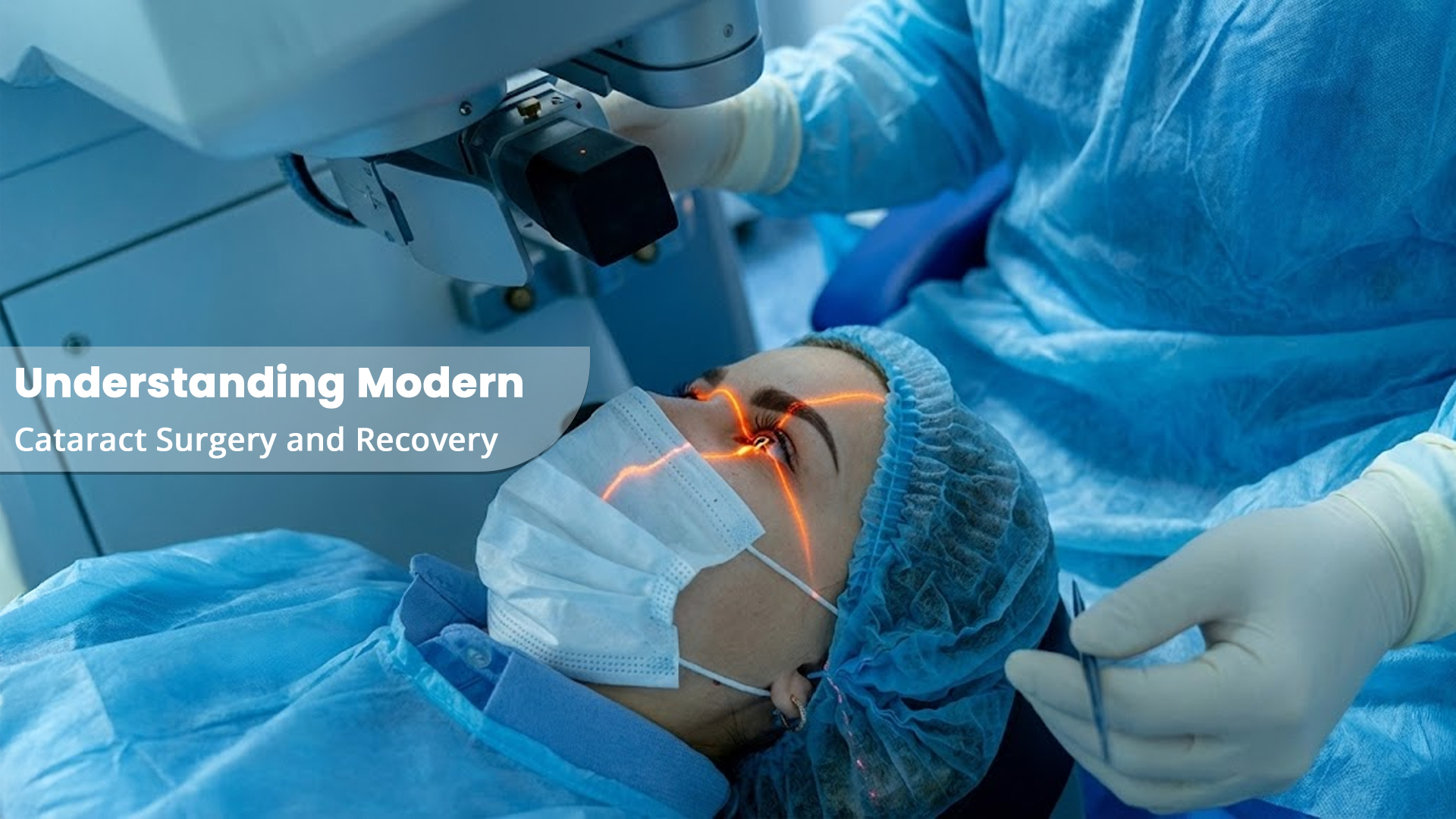
Understanding Modern Cataract Surgery and Recovery
Understanding Modern Cataract Surgery and Recovery – Rotary Techno Netralaya
Cataract, clouding of the normally clear lens of the eye, is one of the most common age-related eye conditions globally, affecting millions every year. Fortunately, modern cataract surgery has become one of the safest and most effective procedures in ophthalmology, offering patients restored vision and improved quality of life. With advanced lens replacement techniques and laser-assisted procedures, patients can expect a smoother experience and quicker recovery than ever before.
What Is Cataract Surgery
Cataract surgery is a procedure performed to remove the clouded natural lens of the eye and replace it with a clear artificial intraocular lens (IOL). The goal is to restore clear vision, reduce glare, and enhance overall visual quality. The procedure has transitioned from traditional methods to more sophisticated techniques involving high-precision lasers, smaller incisions, and premium lens options tailored to individual needs.
Advances in Modern Cataract Surgery
One of the major breakthroughs in recent years in cataract treatment is the use of femtosecond laser technology, which offers significantly greater precision than manual surgery.
Laser-assisted cataract surgery enhances the accuracy of corneal incisions and effectively fragments the cataract before removal, resulting in reduced surgical time, faster healing, and a lower risk of complications.
Additionally, modern cataract procedures now offer premium intraocular lenses (IOLs) that not only replace the clouded lens but also correct vision based on individual needs.
Depending on the patient’s eye condition, lifestyle, and expectations, ophthalmologists may recommend monofocal lenses for distance vision, multifocal lenses for both near and far sight, toric lenses for astigmatism correction, or extended depth of focus lenses for seamless vision at all distances.
Selecting the most suitable lens involves a careful evaluation of factors such as overall eye health, budget, and desired post-surgery outcomes.
Premium Intraocular Lenses (IOLs)
Modern cataract surgery not only involves removing the clouded lens but also offers advanced vision correction through premium intraocular lenses (IOLs).
Depending on a patient’s visual needs and lifestyle, ophthalmologists may recommend monofocal lenses for distance vision, multifocal lenses for both near and far sight, toric lenses to correct astigmatism, or extended depth of focus lenses that provide seamless vision across varying distances.
Selecting the most suitable IOL involves a personalized approach, taking into account factors such as overall eye health, budget, and the patient’s expectations for life after surgery.
What to Expect During the Procedure
Modern cataract surgery is a quick and minimally invasive procedure, typically taking just 15–20 minutes per eye and performed under local anesthesia. The surgery involves making a small incision in the cornea, breaking the cataract into tiny pieces using ultrasound or laser, removing the clouded lens, and implanting an artificial intraocular lens. The procedure is generally painless, and most patients are able to return home the same day, making it a safe and efficient solution for restoring clear vision.
Recovery After Cataract Surgery
Although cataract surgery is quick and minimally invasive, proper care and follow-up are essential for a smooth recovery. In the immediate post-surgery phase, it’s normal to experience blurry vision as the eye adjusts to the new lens. Some patients may also notice mild discomfort, light sensitivity, redness, or watering and itching in the eye. These symptoms are generally mild and tend to subside within a day or two as healing progresses.
First Week of Recovery
During the first week after cataract surgery, it is important to follow specific precautions to support healing and prevent complications. Patients should avoid rubbing their eyes, use prescribed eye drops regularly to prevent infection, and refrain from strenuous activities. It is also essential to protect the eye from dust, water, and bright sunlight by wearing protective sunglasses when outdoors.
Long-Term Recovery and Results
For most patients, clear vision returns within a few days. However, complete healing may take 4 to 6 weeks, depending on individual response and any pre-existing conditions.
Follow-Up Care
Regular follow-up appointments after cataract surgery are crucial to ensure proper healing, monitor for any potential complications such as inflammation or lens displacement, and assess whether an adjustment in prescription glasses is needed. These check-ups help the ophthalmologist track your recovery and ensure optimal visual outcomes.
Tips for a Smooth Cataract Surgery Recovery
To ensure a smooth and comfortable recovery after cataract surgery, it's important to follow all post-surgery instructions carefully, use prescribed medications as directed, and attend all scheduled follow-up visits. Be vigilant about reporting any unusual symptoms such as pain, sudden vision loss, or flashing lights, as these may indicate complications. Most importantly, give your eyes the necessary time to adjust to the new lens and enjoy the benefits of improved vision.
Risks and Success Rates
Though complications after cataract surgery are rare, they can include infection (endophthalmitis), swelling (macular edema), posterior capsule opacification (a clouding behind the new lens), and in rare cases, retinal detachment. However, with thorough pre-operative screening and diligent post-operative care, these risks are significantly minimized, making modern cataract surgery a highly safe and effective procedure.
Conclusion
Modern cataract surgery is a life-changing procedure that not only restores vision but also enhances independence, mobility, and overall well-being. With advanced technologies like laser-assisted surgery and customizable intraocular lenses, patients now have more choices than ever before.
At Rotary Techno Netralaya, our expert team ensures each patient receives personalized care, the latest surgical techniques, and complete guidance throughout the recovery journey. If you or a loved one is struggling with vision loss due to cataracts, don’t wait—consult with our specialists today and take the first step towards clearer vision.
Stay Updates
Subscribe to our newsletter.